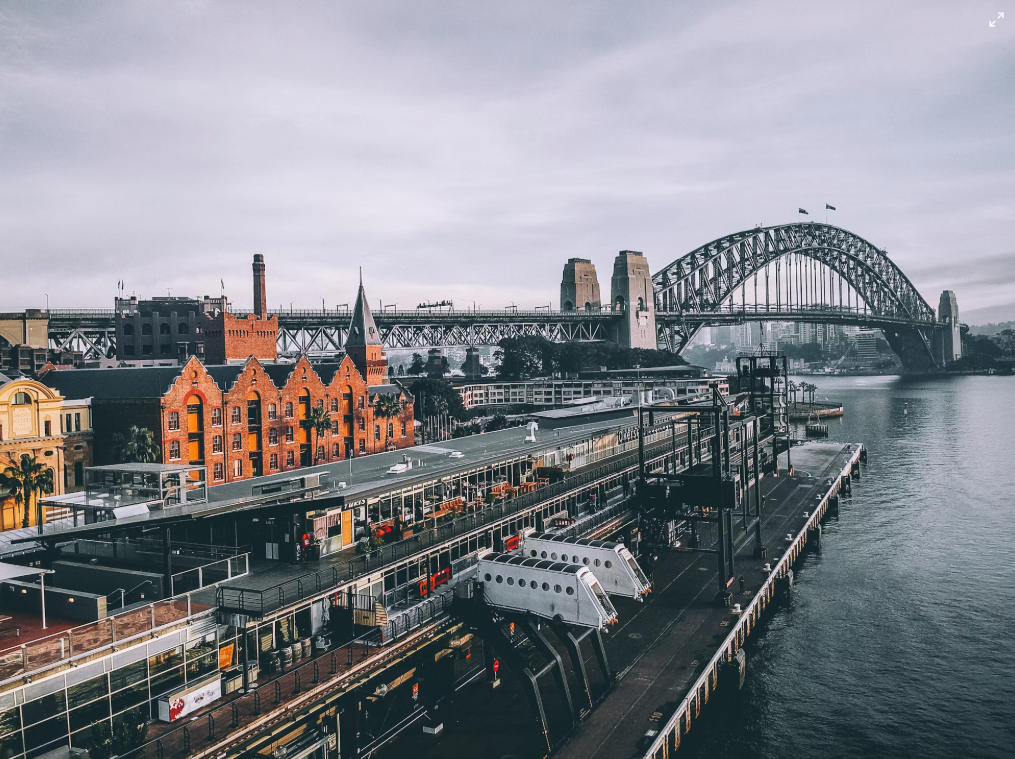


Tour Overview
The average traveller spends AU$263 (~US$185) per day in Australia. A 2-week trip costs roughly AU$3,682 per person, including accommodation, food, transport and activities. Budget travellers can get by on AU$102/day; luxury travellers should plan for AU$695/day. The biggest expenses are flights, accommodation and bucket-list tours — but smart booking, off-season travel and combo deals can cut your total by 20–30%.
How Much Does a Trip to Australia Cost in 2026?
Australia is one of the most rewarding destinations on the planet — but it is also one of the most expensive to reach and explore. Before you book that flight, you need a realistic budget. Based on spending data collected from thousands of real travellers by Budget Your Trip, the typical visitor spends AU$263 (US$185) per day on their Australian holiday.
That number matters because Australia is roughly the size of the continental United States. Distances between cities are enormous, and prices in Sydney, Melbourne and the Gold Coast sit closer to Western Europe than to Southeast Asia. The good news? With the right planning — off-season travel, public transport, self-catering and pre-booked tours — you can cut that daily figure by more than half.
In this 2026 budget guide, we break down exactly what a trip to Australia costs: daily averages, accommodation, food, transport, tours, flights and three realistic sample budgets. All prices are in Australian dollars (AUD) unless otherwise stated, with USD equivalents for international readers.
Australia Trip Cost at a Glance
| Travel style | Per day (AUD) | 1 week (AUD) | 2 weeks (AUD) | 1 month (AUD) |
|---|---|---|---|---|
| Budget (hostels, self-catering) | ~AU$102 | ~AU$714 | ~AU$1,428 | ~AU$3,060 |
| Mid-range (hotels, tours) | ~AU$263 | ~AU$1,841 | ~AU$3,682 | ~AU$7,890 |
| Luxury (resorts, private tours) | ~AU$695 | ~AU$4,865 | ~AU$9,730 | ~AU$20,850 |
Source: Budget Your Trip — average daily costs calculated from the reported spending of real travellers to Australia.
Average Daily Costs: Where Your Money Goes
Here is how a typical mid-range traveller’s AU$263 per day breaks down:
- Meals: AU$87 per day — breakfast AU$11–18, lunch AU$9–31, dinner AU$21–49, a flat white ~AU$5
- Hotels: AU$215 per night for a double room, or about AU$108 per person when sharing
- Local transport: AU$46 per day — tram ride ~AU$3.80, airport bus AU$16–25
- Entertainment & tours: AU$47 per day — surf lesson AU$65–120, sunset cruise ~AU$20 for two
- Nightlife: AU$22 per day — pint AU$8.50, bottle of wine AU$7–16
Accommodation: The Biggest Daily Cost

Accommodation is usually your single biggest daily expense in Australia. Actual hotel prices average AU$176 per night in the low season and AU$328 in peak season (December to February). Booking early and travelling outside school holidays makes a huge difference.
- Hostel dorms: AU$22–26 per night (Sydney ~AU$26, Melbourne ~AU$22, Perth ~AU$25)
- Budget hotels: AU$89–166 per night
- Mid-range hotels: AU$179–334 per night
- Luxury hotels: AU$421–786 per night
Tip: travelling in shoulder season (March–May or September–November) can cut hotel prices by 30–40% and still give you perfect weather — check our month-by-month guide to the best time to visit Australia before you lock in dates.
Food & Dining: Eat Well Without Overspending
The average traveller spends AU$87 per day on food. Expect to pay about AU$5 for a flat white, AU$10 for street food or a classic meat pie, AU$15–25 for a pub lunch and AU$30–50 for a nice dinner. Australia’s cities are multicultural food capitals — world-class Asian, Middle Eastern and European restaurants sit side by side in Sydney, Melbourne and Brisbane.
Three ways to save: book accommodation with a kitchen and cook breakfast at home, take advantage of lunch specials (often half the dinner price for the same dish), and always carry a refillable water bottle. Families and couples who self-cater can easily cut their food bill by 40–50%.
Getting Around: Transport Costs in Australia

Local transport runs about AU$46 per day. Inside the cities, public transport is your best friend — Sydney, Melbourne and the Gold Coast all have reliable networks, and a tram ride costs only ~AU$3.80. Airport buses run AU$16–25. Taxis and rideshares, by contrast, cost three to four times as much and should be reserved for late nights or heavy luggage.
For intercity travel you have three options: domestic flights (Sydney–Melbourne one-way from ~AU$90), trains, or long-distance buses. Renting a car costs AU$60–120 per day plus fuel, which is worth it if you plan a coastal road trip — see our Sydney to Cairns East Coast itinerary for a complete route, stops and budget breakdown.
Tours & Activities: Budget for the Bucket List

Australia’s headline experiences do not come free. The average traveller spends AU$47 per day on entertainment and activities, but the icons cost more: a Great Barrier Reef day tour from Cairns runs AU$150–250, a Sydney Harbour cruise AU$99–150, and a Gold Coast theme park day pass AU$130–200.
This is where smart booking pays off. Bundling activities into combo packages typically saves 10–20% compared with booking each experience separately — browse our Australia combo deals to see what is included. Wildlife lovers should also check the best whale-watching tours, where a three-hour cruise runs AU$90–140.
Sample Budgets: 1 Week, 2 Weeks, 1 Month
| Trip length | Per person (AUD) | Per couple (AUD) |
|---|---|---|
| 1 week | ~AU$1,841 | ~AU$3,682 |
| 2 weeks | ~AU$3,682 | ~AU$7,364 |
| 1 month | ~AU$7,890 | ~AU$15,780 |
These figures come from real traveller budgets and include accommodation, food, local transport and sightseeing — but not international flights. Travelling as a couple or family significantly lowers the per-person cost because hotel rooms are shared and kids’ tickets are cheaper.
Flights: The Biggest Upfront Cost

Getting to Australia is expensive, full stop. As a rough 2026 estimate: return economy flights from Southeast Asia cost AU$700–1,200, from North America AU$1,800–2,800, and from Europe AU$1,500–2,400. Prices swing heavily with season and booking window. To land the best fares, book three to six months ahead, avoid school holidays, and compare connections through Singapore, Kuala Lumpur or Doha before committing to a direct flight.
10 Money-Saving Tips for Australia in 2026
- Travel in shoulder season (March–May, September–November) — the sweet spot between weather and price
- Stay in hostels or apartments with kitchens to cut food and accommodation costs
- Use public transport instead of taxis and rideshares
- Book combos and multi-day tours in advance to save 10–20%
- Eat lunch out and cook dinner in — Australian lunch specials are excellent value
- Carry a refillable water bottle; tap water is free and safe everywhere
- Book flights 3–6 months ahead and set price alerts
- Compare tour prices on multiple platforms before booking
- Pack layers — Australian weather changes fast and gear is pricey to buy locally
- Fill your days with free icons: Bondi to Coogee, Royal Botanic Garden, Queen Victoria Market — see our top 10 most beautiful beaches in Australia for zero-cost inspiration

FAQ: Australia Travel Budget Questions
A two-week trip costs about AU$3,682 per person (US$2,587) including accommodation, food, local transport and activities — roughly AU$263 per day. Add AU$1,000–2,500 for international flights depending on where you fly from.
Australia is a moderately priced destination by global standards — cheaper than Switzerland or Norway but more expensive than Thailand or Vietnam. It is comparable to New Zealand and the United Kingdom.
Yes — budget travellers spend about AU$102 per day by staying in hostel dorms (AU$22–26), cooking meals, using public transport and choosing free attractions. It takes discipline, but it is realistic.
International flights and accommodation are the two biggest line items. In peak season, average hotel prices jump from AU$176 to AU$328 per night, so timing is everything.
Plan for AU$47–100 per day on activities. A Great Barrier Reef tour costs AU$150–250, a Sydney Harbour cruise AU$99–150, and whale watching AU$90–140. Booking combos saves 10–20%.
Sources & Further Reading
- Budget Your Trip — Australia Travel Cost Data: average daily costs calculated from the reported spending of real travellers
- Tourism Australia — News & Media Releases: official industry statistics and destination updates
All cost figures in this article are sourced from Budget Your Trip’s traveller-reported Australia data (updated June 2026) and are indicative only. Prices change with season, exchange rates and booking timing. Last reviewed: August 2026.